Channel 4 Scholarship
MA Investigative Journalism, De Montfort University, 2016

Journalism & Media
The power to tell a story is also the power to shape how people are seen.
MA Investigative Journalism, De Montfort University, 2016
Programme research, commentary and interviews
Critical enquiry, evidence and fact-finding
Independent journalism, essays and analysis
Origins
I began my Media degree at the University of the West of England just days after the attacks of 11 September 2001.
I was the only Muslim student in a large class, at a time when the world was trying to make sense of what had happened and the language surrounding Muslims, Islam and identity was becoming increasingly charged.
Some of the language I encountered during that period was deeply unsettling. The experience was, at times, traumatic. I was studying the media while simultaneously witnessing how its narratives could shape perceptions of people like me.
That year shaped what I did next.
I was already conscious of how few women who looked like me were visible in journalism, particularly in positions where they could influence which stories were told and how. In the aftermath of 9/11, that absence became even more significant.
I wanted to challenge what I was seeing and hearing. I wanted greater honesty, better questions and a more responsible approach to how communities were represented.
And I wanted to do that through journalism itself.
I believed in the Fourth Estate and in journalism's responsibility to scrutinise power, question prevailing narratives, investigate what others might overlook and hold institutions accountable.
That conviction shaped the direction I took.
After completing my BA in Media, I received a Channel 4 scholarship in 2016 to undertake an MA in Investigative Journalism at De Montfort University.
My son was a toddler then, so he came to lectures with me. In 2001 I had been a student with only myself to think about. By 2016 I was a mother and a carer, studying and parenting at the same time, with very little room in between.
Studying meant something different now. As a student I had been responsible for my own future. As a mother, I was responsible for someone else’s. I had a bigger responsibility, to make sure the world he had entered was safer and better protected than the one I had grown up in.
Investigative journalism gave me the tools to pursue the questions that had first drawn me towards the profession: rigorous research, verification, critical analysis, independent enquiry and the discipline to follow evidence wherever it leads.
The course taught me that challenging a narrative requires more than disagreeing with it. You have to be able to investigate, substantiate and present the facts with integrity.
Those principles remain central to my work today.
Broadcasting
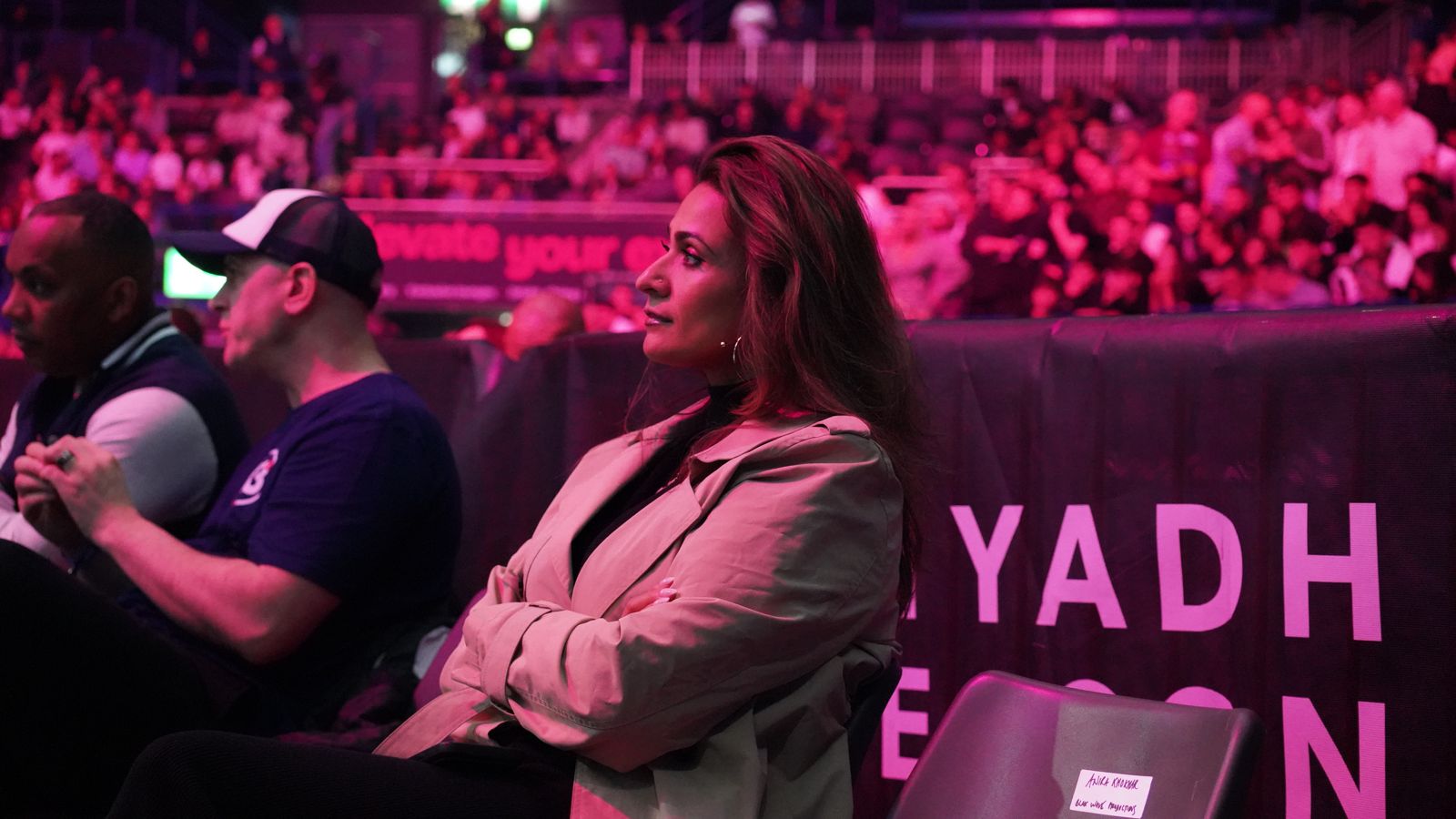
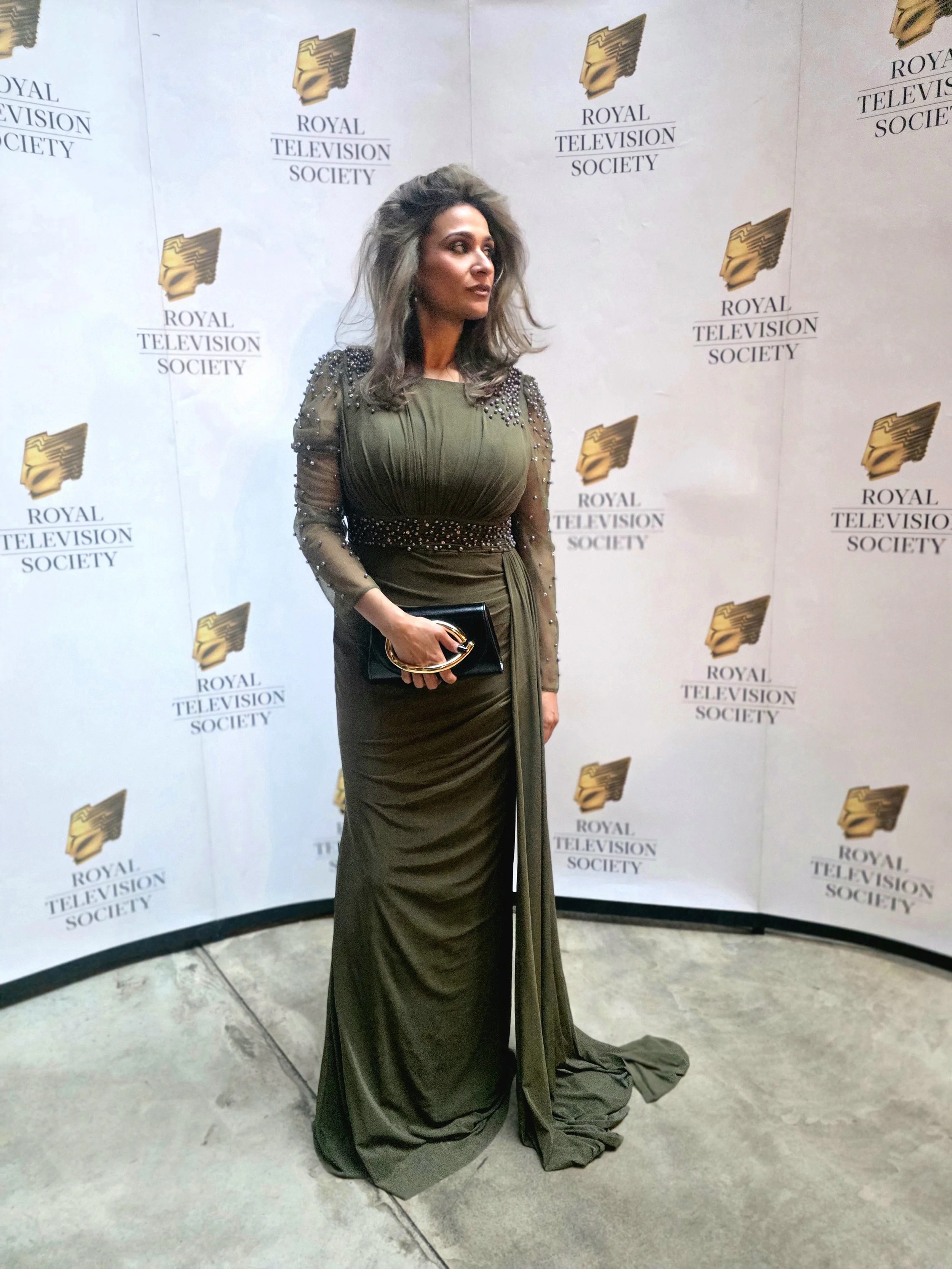
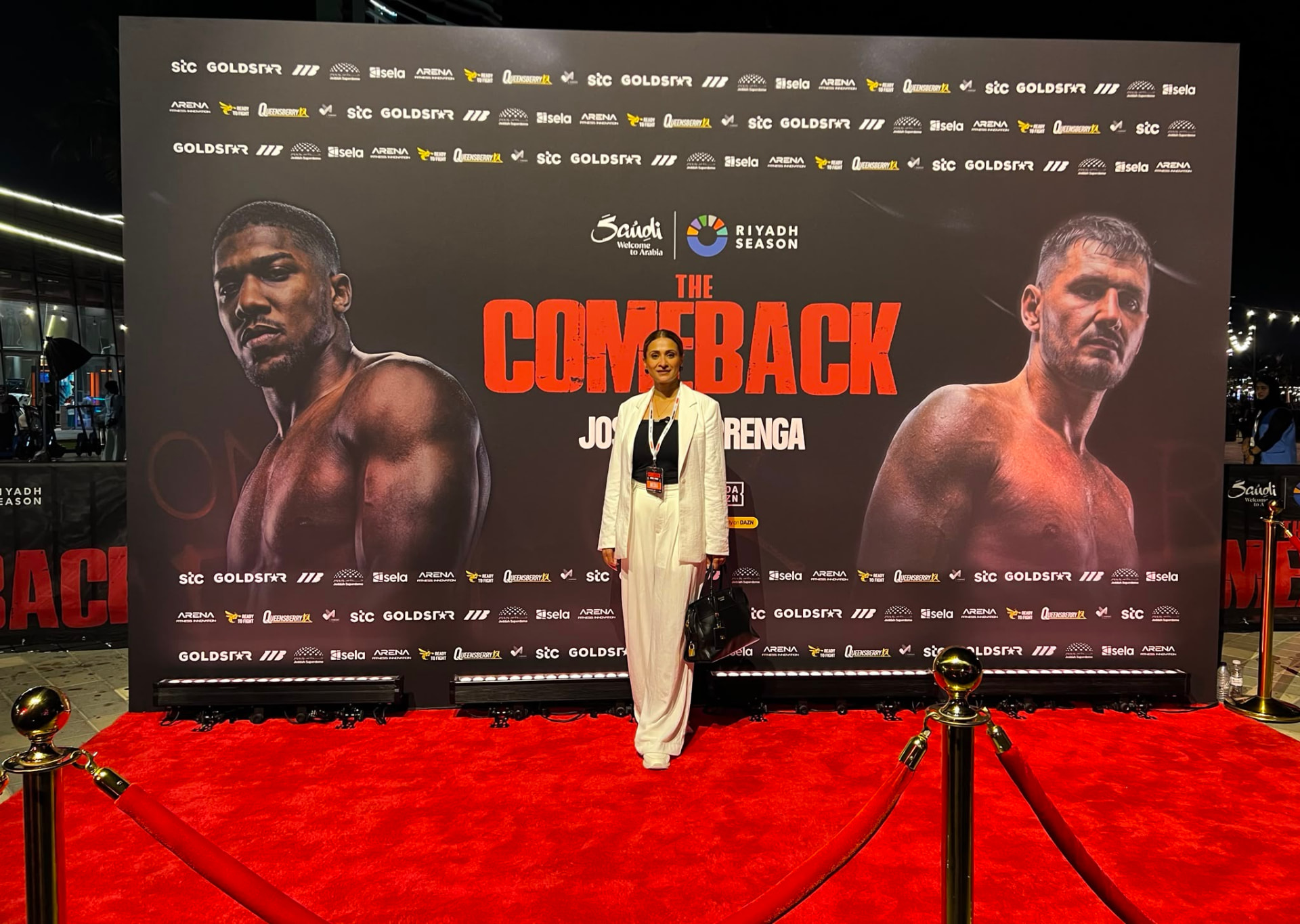
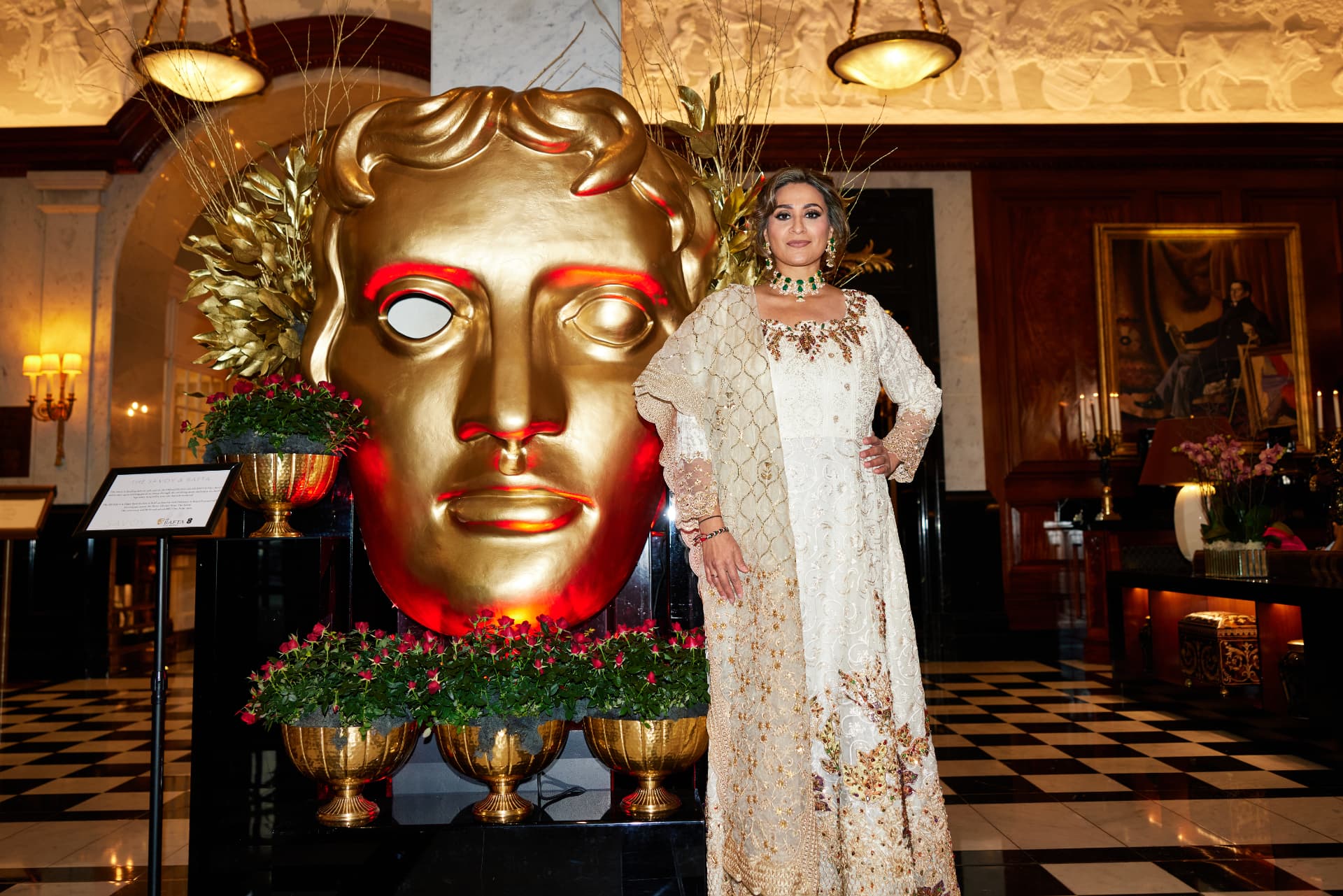
My experience spans investigative research, journalism, factual television, broadcasting, programme research and development, independent production and public commentary.
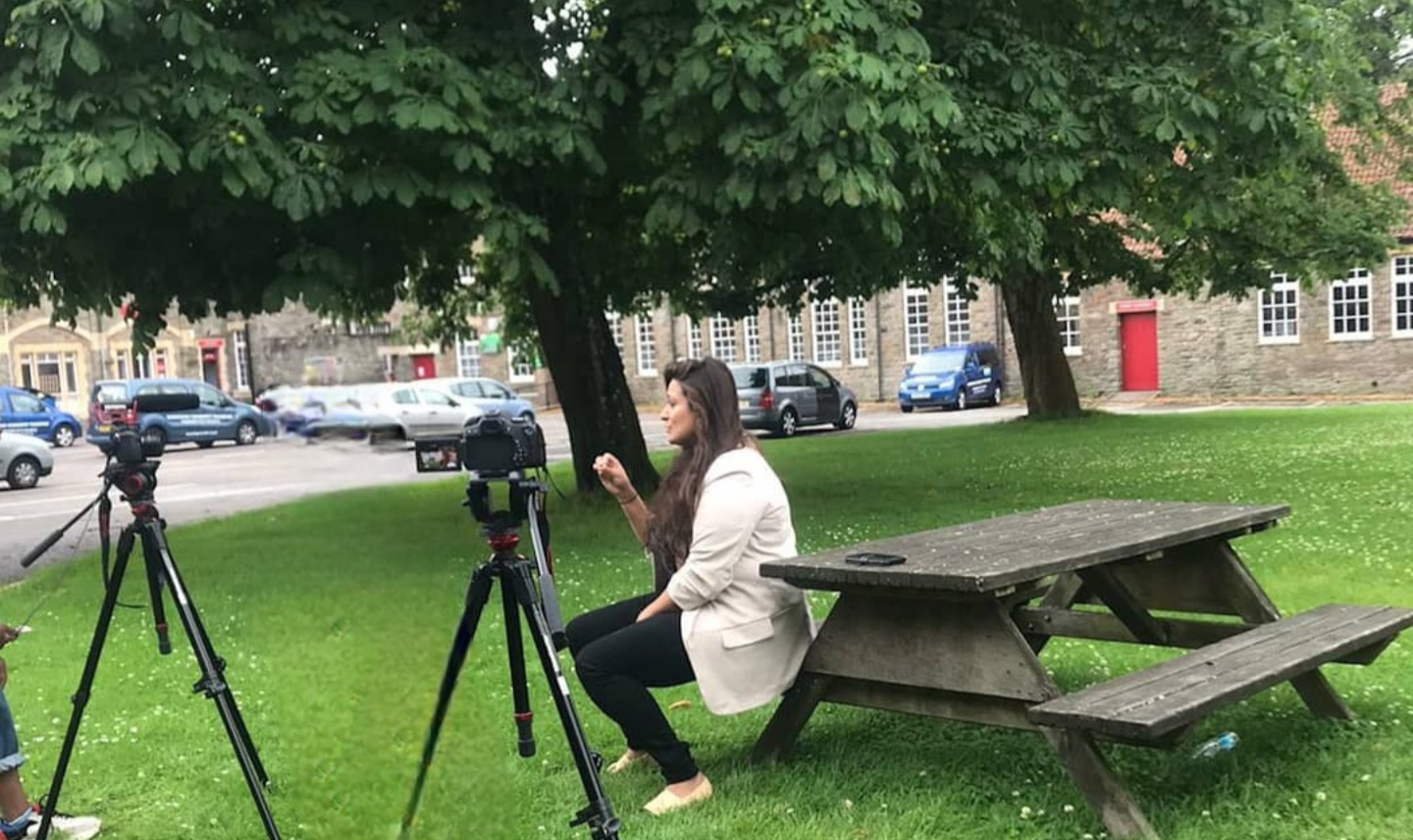
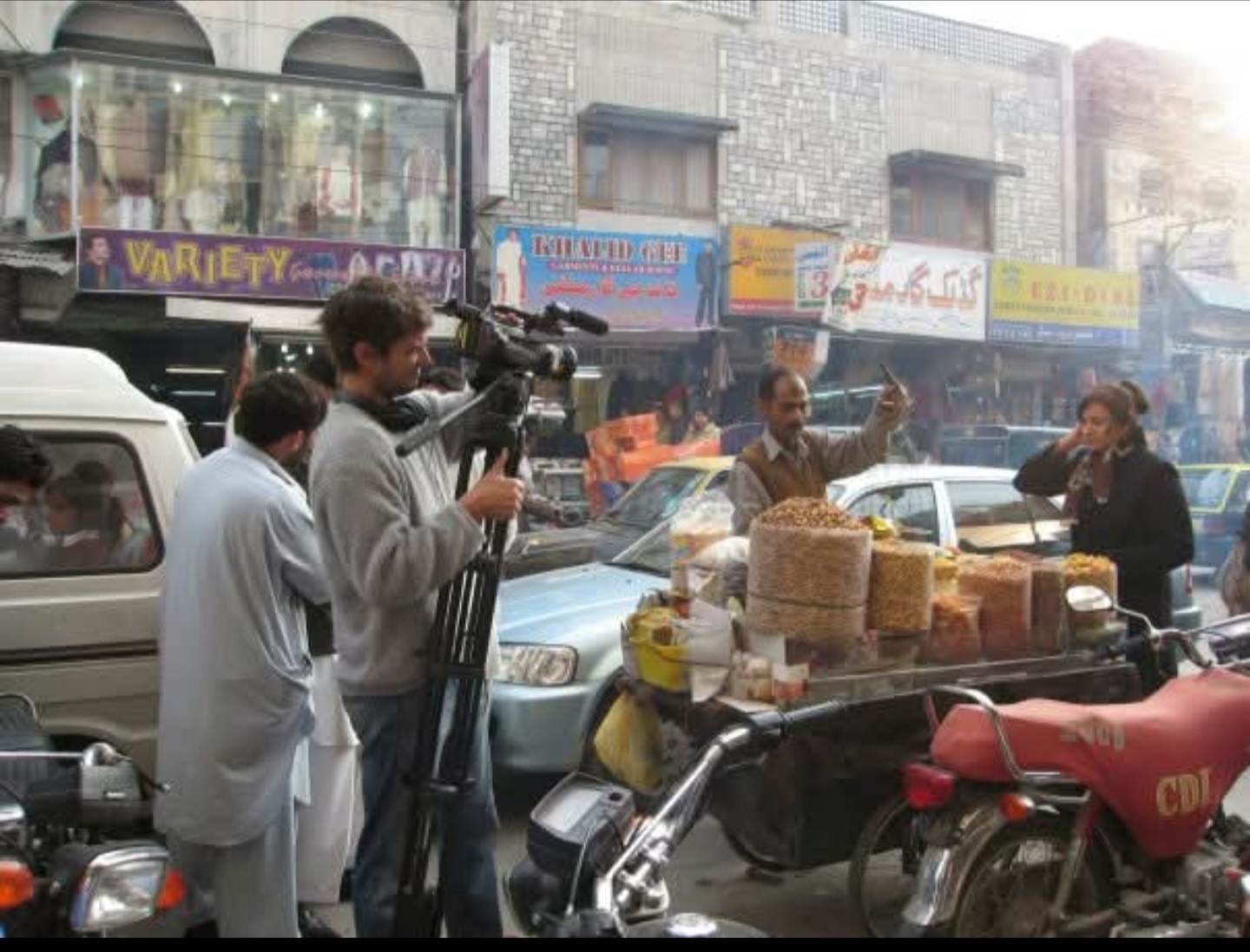
I have worked behind the scenes with independent television and media production companies, contributing to research and programme development, while also participating in broadcast discussions and interviews as a contributor and commentator.
My work and contributions have involved BBC Factual, BBC Radio, Channel 4, Al Jazeera, Sky News and ITV, including The Moral Maze on BBC Radio 4, alongside independent production companies and numerous other national and international media outlets.
Working across different aspects of the media has given me an understanding of how stories are researched, developed, framed and communicated, and of the responsibility that comes with shaping public understanding.
Research
What has always interested me is the work that happens before a story is told.
The research. The questions that lead somewhere unexpected. The conversations that complicate an initial understanding. The detail that doesn't quite fit the accepted explanation.
Investigation requires patience, curiosity and the willingness to reconsider what you thought you knew.
Investigation also requires judgement: knowing the difference between an allegation and a finding, recognising the limitations of evidence and being prepared to follow the facts even when they challenge your original assumptions.
My strengths include investigative research, fact-finding, source evaluation, sensitive interviewing, qualitative research, editorial judgement, critical analysis and communicating complex findings clearly.
These are the disciplines I have carried into my wider professional work.
Writing
Alongside my strategic advisory work, I continue to write independently and undertake freelance journalism, research, analysis and commentary.
My writing explores race, identity, representation, equity, social justice, institutional power and contemporary social and political issues.
I am particularly interested in stories and perspectives that are overlooked, misrepresented or insufficiently examined within mainstream narratives.
Writing gives me the freedom to explore questions that do not always fit neatly into an organisational brief or broadcast discussion, and to examine the issues I consider important, draw connections and contribute my own perspective.
My independent platform is an extension of that work.
Advisory
I don't see journalism and strategic advisory as unrelated careers.
When I examine an institution's policies, speak with people about their experiences, undertake research or advise on organisational change, I draw on the same habits developed through journalism.
I look for what the evidence supports. I pay attention to what is absent. I consider who has been consulted, whose experiences have been discounted and whether the conclusions being drawn can withstand scrutiny.
The context may be different, but the questions are often remarkably similar.
For me, good advice begins with good questions.
Portfolio
Broadcast appearance
BBC Radio 4 · June 2015
Broadcast interview, June 2015.
Documentary film
Diocese of Hereford · 2026
Filmed with Bishop Richard and the Diocese of Hereford, exploring racial justice, faith and the next steps in the Church's journey.
View original: Racial Justice: Hopes for the Future (opens in a new tab)Published interview
The Unknown Times · August 2021
Published August 2021.
Press feature
Bristol 24-7 · May 2020
Bristol 24-7 on the unfunded grassroots group Anira started with her sisters and friends before the first lockdown, which grew into a citywide food response.
View original: Humanitarian Bristol: the grassroots food response (opens in a new tab)Broadcast interview
BBC News · September 2014
Speaking to BBC News as family spokesperson following the disappearance of a Bristol schoolgirl, September 2014.
View original: Interview with BBC News (opens in a new tab)Press coverage
Regional & national press · September 2014
Quoted in press coverage as friend and spokesperson for the family, September 2014.
Independent journalism
A collection of my independently published articles and commentary.
View original: Independent Writing & Commentary (opens in a new tab)I welcome enquiries relating to freelance journalism, independent writing, investigative research, editorial collaborations, factual programme development, media commentary and research-led projects.
Get in Touch →